



Foundation Repair Services Near Me: Essential Knowledge for Homeowners

Foundation repair protects your home from progressive structural damage. This guide explains common foundation problems, proven repair methods, typical costs, and how to choose a qualified contractor. Read on to understand options available near you so you can keep your home safe, dry, and structurally sound.
Foundation Repair Services for Homeowners
Foundation repair services address structural issues such as wall cracks, uneven floors, and water ingress. Timely repairs reduce the risk of further damage and preserve your home’s integrity. Choosing local professionals matters because they understand regional soil behavior and climate impacts that affect foundations.
Common Types of Foundation Issues:

Spotting common foundation problems early lets you address them before they escalate. Typical issues include cracks, uneven floors, and signs of moisture.
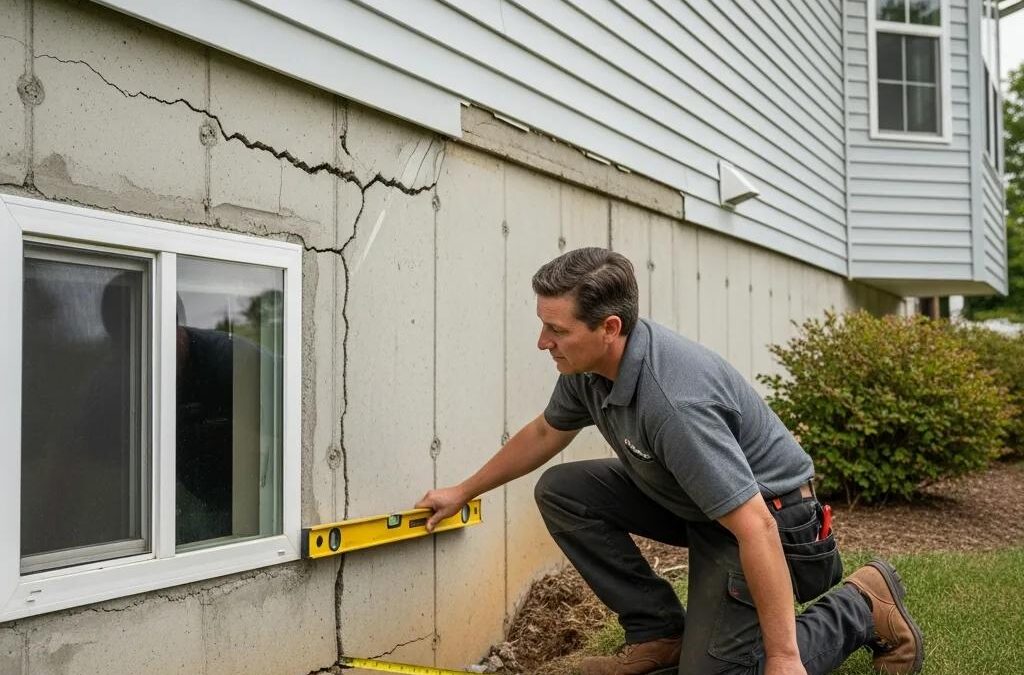
- Cracking Walls: Vertical or horizontal cracks in walls can indicate foundation movement or settling.
- Uneven Flooring: Sloping or uneven floors may suggest underlying foundation problems that need immediate attention.
- Water Damage: Excess moisture can lead to significant damage, including mold growth and structural weakening.
Noticing these signs early lets you arrange an inspection and limit further deterioration.
Effective Repair Methods:

Repair methods vary by the type and severity of damage. Common, effective techniques include crack sealing, piering or underpinning, and waterproofing measures to control moisture.
- Crack Repair Methods: These involve sealing cracks with epoxy or polyurethane to prevent water intrusion and further deterioration.
- Piering and Underpinning: This method stabilizes the foundation by transferring the load to deeper, more stable soil layers.
- Waterproofing Techniques: Implementing drainage systems and waterproofing membranes can prevent water damage and protect the foundation.
Applied correctly, these solutions restore structural stability and reduce the chance of recurring problems.
How Can Basement Waterproofing Prevent Further Foundation Problems?
Basement waterproofing stops water before it reaches the foundation. Installing interior or exterior drainage and waterproof membranes prevents moisture intrusion, lowers mold risk, and protects structural elements—improving indoor air quality and long-term durability.
Associated Costs:
Foundation repair costs vary with the issue and chosen method. Typical repair budgets range from $1,500 to $3,000, depending on severity and technique. Cost drivers include the repair type, the extent of damage, and regional pricing differences.
- Type of Repair: Different methods have varying costs based on complexity and materials.
- Extent of Damage: More extensive damage typically requires more intensive repairs, increasing costs.
- Location: Regional pricing variations can also impact the overall cost of services.
| Service | Cost | Financing Options |
|---|---|---|
| Crack Repair | $500 – $2,000 | Available |
| Piering | $1,000 – $3,000 | Available |
| Waterproofing | $1,500 – $5,000 | Available |
The table compares typical services and price ranges to help you plan and request accurate estimates from contractors.
Tips for Choosing a Reliable Service Provider:
Choose contractors with proven experience, solid reviews, and the right licenses. Look for clear communication and a customer-first approach—those qualities indicate reliable workmanship and easier project management.
- Experience and Reputation: Look for contractors with a proven track record and positive customer reviews.
- Licensing and Certification: Ensure the contractor is licensed and certified to perform foundation repairs in your area.
- Customer Service Focus: A reliable contractor should prioritize customer satisfaction and provide clear communication throughout the process.
Get written, free estimates from multiple providers so you can compare methods, timelines, and warranties before deciding.
How Do Free Estimates and Warranties Enhance Customer Confidence?
Free estimates clarify scope and cost, while warranties protect your investment. A clear warranty shows the contractor stands behind their work and provides homeowners with financial and practical assurance if issues reoccur.
What Should Homeowners Expect During a Free Foundation Repair Consultation?
During a free consultation, the contractor performs a visual assessment, discusses likely causes, outlines repair options, and provides a written estimate. Use this meeting to ask about timeline, materials, and warranty terms to judge the contractor’s expertise and transparency.
What Are the Common Signs of Foundation Damage to Watch For?
Common warning signs include visible cracks, shifting floors, and basement moisture. These indicators point to potential foundation movement or water-related problems that need evaluation.
- Cracks in Walls or Floors: Visible cracks can indicate shifting or settling foundations.
- Uneven or Sloping Floors: Changes in floor levels may suggest underlying structural issues.
- Water Damage in Basements: Moisture accumulation can lead to significant problems if not addressed promptly.
Early recognition of these signs lets you schedule an inspection before repairs become more extensive and costly.
Recommended Actions:
When you notice foundation issues, act promptly: arrange a professional inspection, adopt preventive maintenance, and hire qualified contractors for repairs to limit damage and protect your property value.
- Prompt Inspection: Schedule a professional inspection to assess the extent of the damage.
- Regular Maintenance: Implement regular maintenance practices to prevent future issues.
- Professional Repair: Engage a qualified contractor to perform necessary repairs as soon as possible.
These steps reduce the risk of escalation and help preserve your home’s safety and resale value.
How to Identify Foundation Cracks and Structural Issues Early
Regular checks help catch problems early. Inspect walls and floors for new or widening cracks, test door and window operation for binding, and note any changes in floor level.
- Visible Cracks: Check for new or expanding cracks in walls and floors.
- Door and Window Alignment: Observe any changes in how doors and windows open and close.
- Uneven Floors: Pay attention to any noticeable slopes or dips in flooring.
Proactive monitoring allows you to address issues before they require major repairs.
What Are the Risks of Ignoring Foundation Settlement?
Left unaddressed, settlement can cause widespread structural damage, drive up repair costs, and lower your property’s market value. Timely intervention minimizes those long-term consequences.
- Structural Damage: Continued settlement can compromise the integrity of the entire structure.
- Increased Repair Costs: Delaying repairs often results in more extensive damage, leading to higher repair costs.
- Decreased Property Value: A compromised foundation can significantly reduce the value of a home.
Understanding these risks underlines why prompt assessment and repair are essential.
Which Foundation Repair Solutions Are Most Effective?
Effective solutions match the problem: epoxy injection for small cracks, pier or pile systems for settling foundations, and waterproofing to control moisture. The right combination restores stability and prevents recurrence.
- Epoxy Injection: This method is ideal for small cracks, sealing them to prevent water intrusion.
- Pier Installation: This technique stabilizes the foundation by transferring weight to deeper soil layers.
- Waterproofing Methods: Implementing waterproofing solutions can prevent moisture-related issues.
Choosing the correct method depends on a professional assessment of the underlying cause and site conditions.
How Does Foundation Crack Repair Restore Structural Integrity?
Sealing cracks stops water entry and slows deterioration. Techniques like epoxy injection bond the concrete and restore load paths, helping the foundation resist environmental stresses and improving home safety.
What Role Do Epoxy Injection and Pier Installation Play in Repairs?
Epoxy injection fills and seals cracks to prevent moisture and restore strength. Pier installation transfers structural loads to stable soil at depth, correcting settlement and providing long-term stability. Both address different causes and often work together in a comprehensive repair plan.
How Can Basement Waterproofing Prevent Further Foundation Problems?
Basement waterproofing prevents moisture from reaching foundation components. Drainage systems and waterproof membranes keep water away, reducing mold risk and preserving structural materials—key steps in protecting long-term foundation health.
What Are the Benefits of Waterproofing Membranes and Drainage Systems?
Waterproof membranes and proper drainage create barriers to moisture, manage water flow away from the foundation, and reduce hydrostatic pressure. These measures protect structural elements and extend the foundation’s service life.
- Creating a Waterproof Barrier: These systems prevent water from penetrating the foundation.
- Managing Water Flow: Proper drainage systems direct water away from the foundation, reducing pressure.
- Protecting Foundation Integrity: By preventing moisture-related issues, these solutions help maintain the structural integrity of the home.
When installed correctly, these systems significantly extend foundation longevity and reduce maintenance needs.
How Does Crawlspace Encapsulation Improve Home Stability and Air Quality?
Sealing and insulating the crawlspace controls moisture and prevents mold and wood decay. Encapsulation stabilizes humidity, improves indoor air quality, and reduces the risk of moisture-related structural problems.
Research highlights the significant impact of crawl space performance on a home’s energy efficiency and moisture control.
Crawl Space Performance: Energy & Moisture Control
Advanced Energy completed its first jointly-funded crawl space research project with the Department of Energy in 2005 under award number DE-FC26-00NT40995, titled “A Field Study Comparison of the Energy and Moisture Performance Characteristics of Ventilated Versus Sealed Crawl Space.” Closed Crawl Space Performance: Proof of Concept in the Production Builder Marketplace, B Hannas, 2008.
Why Is a Professional Home Foundation Inspection Crucial?
A professional inspection detects issues that are easy to miss and evaluates soil, drainage, and visible damage. Early detection reduces repair costs and helps ensure long-term stability by targeting the root cause rather than symptoms.
What Does a Comprehensive Foundation Inspection Include?
A full inspection covers a visual survey for cracks and uneven floors, an assessment of soil and drainage conditions, and checks for moisture intrusion. This systematic review identifies causes and informs an appropriate repair plan.
- Visual Inspection: Inspectors assess visible signs of damage, such as cracks and uneven floors.
- Soil and Drainage Evaluation: Understanding soil conditions and drainage systems is essential for identifying potential issues.
- Identification of Water Damage: Inspectors look for signs of moisture intrusion that could compromise the foundation.
This thorough approach ensures issues are documented and addressed, giving homeowners confidence in the recommended repairs.
How Can Early Detection Save Costs and Prevent Mold Growth?
Finding problems early limits repair scope and cost. Preventing moisture intrusion also reduces mold risk, protecting indoor air quality and avoiding expensive remediation down the line.
What Are the Advantages of Sump Pump Installation Near Me?
Sump pumps remove standing water from basements, protecting the foundation and finished spaces. They are a cost-effective defense against water damage when installed and maintained correctly.
- Foundation Protection: Sump pumps help prevent water accumulation in basements, protecting the foundation from damage.
- Cost-Effectiveness: Investing in a sump pump can save homeowners from costly repairs associated with water damage.
- Maintenance Considerations: Regular maintenance of sump pumps ensures their reliability and effectiveness.
Properly installed sump systems reduce the likelihood of basement flooding and the associated repair costs.
How Do Sump Pumps Protect Basements from Water Damage?
Sump pumps actively remove excess water from low spots, preventing standing water and the moisture that causes mold and structural harm. A functioning pump keeps the basement dry and supports foundation protection.
What Maintenance Is Required to Ensure Sump Pump Reliability?
Maintain sump pumps by inspecting regularly, keeping the pit clean, and testing operation periodically. Simple upkeep ensures pumps perform when needed and extends their service life.
- Regular Inspections: Check the sump pump for any signs of wear or malfunction.
- Cleaning the Sump Pit: Remove debris and sediment to ensure proper functioning.
- Testing the Pump: Periodically test the pump to confirm it operates correctly.
Consistent maintenance reduces failure risk and keeps your basement protected during heavy rain or spring melt.
How Do Free Estimates and Warranties Enhance Customer Confidence?
Free estimates let you compare scope and price without obligation. Warranties provide a safety net—if workmanship or materials fail within the warranty period, the contractor addresses it according to the terms, which builds trust and reduces financial risk.
How Do Warranties Guarantee Long-Term Repair Success?
Warranties back the repair work and show the contractor’s commitment to quality. When covered, post-repair issues are handled per the warranty, protecting your investment and supporting long-term performance.
Frequently Asked Questions
What are the long-term benefits of foundation repair?
Long-term benefits include restored structural integrity, reduced risk of mold and water damage, and potential increases in property value. Timely repairs also lower ongoing maintenance costs and improve safety.
How can I prevent foundation issues in the future?
Prevent future issues by keeping drainage away from the foundation, monitoring soil moisture around your home, avoiding landscaping that traps water against the foundation, and scheduling periodic professional inspections.
What should I do if I notice signs of foundation damage?
If you see cracks or uneven floors, arrange a professional inspection promptly. Avoid DIY fixes that can mask the problem. Document changes and share them with the inspector to help diagnose the cause.
Are there financing options available for foundation repair?
Many contractors offer financing, including payment plans or third-party lending options. Ask about available programs during your consultation to find solutions that fit your budget.
How often should I have my foundation inspected?
Have your foundation inspected every few years, and after major weather events like heavy storms or prolonged droughts. More frequent checks are wise in areas with known soil movement.
What are the signs that indicate I need a professional inspection?
Seek an inspection if you notice new or widening cracks, doors or windows that stick, sloping floors, or water pooling near the foundation—these are clear indicators of potential foundation issues.
Conclusion
Understanding foundation repair helps you protect your home’s safety and value. Spot issues early, choose qualified professionals, and act promptly to limit costs and preserve structural integrity. Schedule a professional inspection to get a clear plan and protect your investment.