



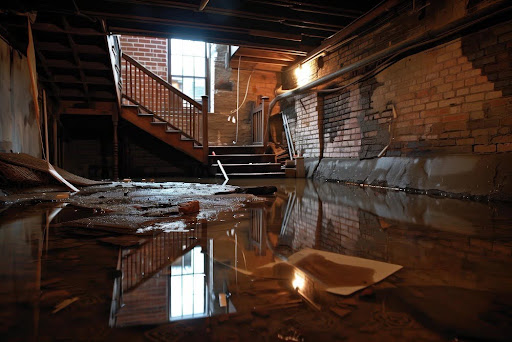
When the National Weather Service issues a Flash Flood Warning for Philadelphia, every homeowner should pay attention—especially if your home has a basement.
Unlike ordinary rainstorms, flash floods can develop in minutes. Storm drains become overwhelmed, groundwater rises rapidly, and water begins pressing against your home’s foundation. Before you realize it, water may be seeping through foundation cracks, floor joints, basement windows, or even backing up through drains.
At Basement Gurus, we’ve helped homeowners throughout Philadelphia, Montgomery County, Delaware County, Chester County, Bucks County, and South Jersey recover from basement flooding and, more importantly, prevent it from happening again.
Whether you own a historic South Philadelphia rowhome, a single-family home in Northeast Philadelphia, or a newer property in the suburbs, this guide explains exactly what to do before, during, and after a flash flood—and how professional basement waterproofing can help protect your home for years to come.
Why Philadelphia Homes Are More Vulnerable to Basement Flooding
Philadelphia presents unique challenges when it comes to basement water intrusion.
Many homes were built decades ago, long before modern drainage standards existed. Over time, foundations naturally settle, concrete develops hairline cracks, and waterproofing materials begin to deteriorate.
Heavy rainfall creates hydrostatic pressure—the force of groundwater pushing against your foundation walls and basement floor. Once enough pressure builds, water finds the easiest path into your basement.
Homes throughout South Philadelphia, Northeast Philadelphia, Manayunk, Roxborough, East Falls, Germantown, and Chestnut Hill can all experience basement flooding during severe storms.
Flash Flood Watch vs. Flash Flood Warning: What’s the Difference?
Flash Flood Watch: Conditions are favorable for flooding. Test your sump pump, move valuables, clear gutters, and monitor forecasts.
Flash Flood Warning: Flooding is occurring or expected soon. Prioritize safety, avoid flooded roads, and stay away from standing water.
What Should You Do Before Heavy Rain Arrives?
- Test your sump pump.
• Install a battery backup.
• Move valuables onto shelves.
• Check gutters and downspouts.
• Store important documents in waterproof containers.
What To Do During a Flash Flood Warning
Keep monitoring weather alerts. Stay away from standing water if electrical hazards may be present. Never drive through flooded roads. Keep children and pets away from floodwater.
Why Basements Flood Even Without Visible Cracks
Water can enter through floor-to-wall joints, window wells, pipe penetrations, porous concrete, expansion joints, or failed waterproofing membranes. Simply sealing visible cracks rarely solves the root cause.
Why Your Sump Pump Is Your Basement’s First Line of Defense
A sump pump removes groundwater before it rises high enough to flood your basement. Regular testing, maintenance, and a battery backup are essential.
Long-Term Basement Waterproofing Solutions
- Interior Drainage Systems
• Foundation Crack Repair
• Sump Pump Installation
• Vapor Barriers
• Exterior Waterproofing
The right solution depends on your home’s foundation, drainage, and moisture conditions.
Warning Signs Your Basement Needs Waterproofing
Watch for damp walls, musty odors, water stains, efflorescence, mold, foundation cracks, standing water after rain, peeling paint, and high humidity.
What To Do After Basement Flooding
Photograph damage for insurance, remove standing water, dry the area quickly, discard damaged materials where necessary, and schedule a professional inspection. Mold can begin growing within 24–48 hours.
Basement Waterproofing vs. Flood Cleanup
Waterproofing addresses the source of the problem and helps prevent future damage, while flood cleanup focuses only on repairing existing damage.
Why Philadelphia Homeowners Trust Basement Gurus
Every home is different. Basement Gurus evaluates foundation condition, drainage, groundwater pressure, grading, and sump pump performance before recommending a customized waterproofing solution.
Frequently Asked Questions
- Does homeowners insurance cover basement flooding?
• How often should a sump pump be tested?
• Can a finished basement still flood?
• Is waterproofing worth the investment?
• How long does basement waterproofing last?
Protect Your Home Before the Next Storm
A Flash Flood Warning may last only a few hours—but the damage can affect your home for years. If you’ve experienced basement leaks, damp walls, or flooding, schedule a professional inspection before the next major storm. Basement Gurus provides customized waterproofing, sump pump installation, and foundation repair solutions designed to keep Philadelphia homes dry year-round.