



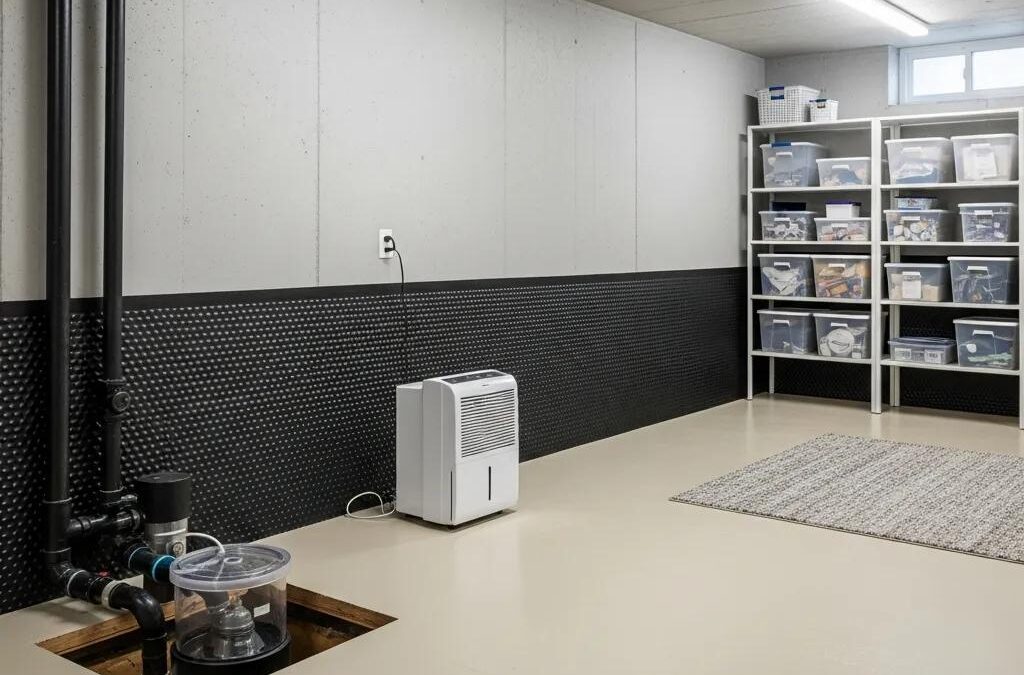
Signs You Might Need Basement Waterproofing or Foundation Repair: A Homeowner’s Guide

As a homeowner, spotting early signs of basement moisture or foundation damage protects your property’s structure and value. Subtle issues—like faint stains, small cracks, or a lingering musty smell—often worsen if left unchecked. This guide explains how to identify those signs, the risks of delaying repairs, and practical steps to protect your home. You’ll learn common warning signs, how to confirm moisture problems, and why prompt action on foundation damage matters.
Signs Indicating the Need for Basement Waterproofing:

Watch for clear indicators that point to basement waterproofing needs to prevent escalating damage.
- Water Leaks or Moisture Intrusion : Visible water stains or puddles in the basement can signal a serious problem.
- Musty Odors : A persistent musty smell often indicates mold growth, which thrives in damp environments.
- Visible Cracks : Cracks in the walls or floor can allow water to seep in, indicating a need for immediate attention.
Identifying these issues early reduces repair costs and lowers health risks from mold and dampness.
Risks of Neglecting These Signs:
Overlooking signs of water intrusion or foundation movement can cause serious, long-term harm to your home.
- Structural Damage : Prolonged exposure to moisture can weaken the foundation, leading to significant structural issues.
- Increased Repair Costs : The longer homeowners wait to address these problems, the more expensive repairs can become.
- Health Hazards : Mold growth can lead to respiratory problems and other health issues for occupants.
Knowing these risks makes timely inspection and repair essential to protect both your investment and your family’s health.
The structural integrity of a building is critical; damage to the foundation can lead to catastrophic outcomes.
Foundation Failure: Diagnosis & Repair for Residential Buildings
Foundations are among the structural elements most affected by this type of damage. They form the link between the building and the soil and transmit loads from the structure into the ground. When foundation elements are damaged, the building’s overall stability is compromised. Depending on the severity of the damage, this can even lead to collapse.
A case study of foundation failure of a residential building: From diagnosis to reparation, A Merah, 2021
Best Practices for Protecting Your Home:
Use proven practices to limit the chance of water damage and foundation issues.
- Regular Inspections : Schedule routine inspections of your basement and foundation to catch potential issues early.
- Professional Assessment : Engage a professional to assess your home’s waterproofing needs and foundation integrity.
- Waterproofing Solutions : Invest in effective waterproofing solutions to protect your basement from moisture intrusion.
Follow these steps to reduce water risk and keep your home safe and dry.
What Are the Common Signs of Basement Waterproofing Needs?
Common indicators that your basement may require waterproofing include:
- Water Leaks : Any visible water intrusion should be addressed immediately.
- Mold Growth : The presence of mold is a clear sign of excess moisture.
- Visible Cracks : Cracks in walls or floors can indicate structural issues that need attention.
Track these signs regularly so you can act before problems escalate.
How to Identify Basement Moisture Problems and Wet Basement Causes
Finding the source of basement moisture requires checking common causes.
- Improper Grading : If the ground around your home slopes towards the foundation, it can lead to water pooling.
- Inadequate Drainage : Poor drainage systems can cause water to accumulate around the foundation.
- Foundation Cracks : Cracks can allow water to seep into the basement, leading to moisture problems.
Identifying the cause lets you choose the right corrective measures and prevent repeat issues.
What Basement Wall Cracks and Water Seepage Indicate About Waterproofing Needs
Cracks in basement walls and water seepage are clear signs of waterproofing needs ; they often mean current measures aren’t sufficient.
- Cracks in Walls : These can allow water to enter, indicating a need for waterproofing solutions.
- Water Seepage : Persistent seepage suggests that the current waterproofing measures are inadequate.
A professional assessment will identify the source and recommend the most effective repair.
How Can You Recognize Warning Signs of Foundation Damage?
Spotting foundation issues early protects your home’s structural integrity.
- Cracks in Walls : Horizontal or vertical cracks can indicate shifting or settling.
- Sticking Doors and Windows : Difficulty opening or closing doors and windows may signal foundation movement.
- Uneven Floors : Sloping or uneven floors can be a sign of foundation issues.
Early recognition allows timely repairs and prevents more extensive damage.
What Are the Visible Signs of Foundation Cracks and Structural Issues?
Visible indicators of foundation issues include:
- Cracks Around Doors : Gaps or cracks around door frames can indicate shifting foundations.
- Water Leaks : Any signs of water intrusion should be addressed immediately.
- Gaps Between Walls : Spaces between walls and ceilings can signal structural problems.
These signs warrant prompt inspection and, if needed, professional repair.
How Does Basement Wall Bowing Signal Foundation Problems?
Basement wall bowing is a serious condition that often points to underlying foundation stress.
- Hydrostatic Pressure : Excessive water pressure against the walls can cause them to bow inward.
- Structural Issues : Bowing walls may indicate underlying structural problems that need to be addressed.
- Mold Growth : The moisture associated with bowing walls can lead to mold growth, posing health risks.
Prompt evaluation and repair are essential to protect both structure and indoor air quality.
What Health Risks Are Associated with Mold and Moisture in Basements?

Mold and persistent moisture create health risks that can affect everyone in the home.
- Respiratory Problems : Mold spores can trigger asthma and other respiratory issues.
- Allergic Reactions : Exposure to mold can cause allergic reactions in sensitive individuals.
- Skin Irritation : Mold can also lead to skin irritation and other health concerns.
Keeping the basement dry is a key step in protecting indoor health and comfort.
How Does Mold Growth Affect Indoor Air Quality and Family Health?
Mold growth lowers indoor air quality and can worsen health conditions for household members.
- Respiratory Issues : Mold spores can exacerbate asthma and other respiratory conditions.
- Allergic Reactions : Many individuals are allergic to mold, leading to various health issues.
- Indoor Air Quality : Mold can degrade indoor air quality, making it essential to address moisture problems promptly.
Eliminating mold sources and controlling moisture restores air quality and reduces health risks.
Why Is Mold Remediation Essential for a Safe Basement Environment?
Mold remediation removes health hazards and addresses the moisture that allows mold to return.
- Health Risks : Mold poses significant health risks, making remediation essential.
- Structural Integrity : Mold can damage building materials, compromising structural integrity.
- Preventing Recurrence : Effective remediation helps prevent future mold growth by addressing moisture sources.
Professional remediation, paired with proper waterproofing, reduces recurrence and protects your home.
What Preventative Waterproofing Solutions Can Protect Your Basement?
Preventative waterproofing solutions reduce the chance of water intrusion when applied correctly.
- Interior Waterproofing : This involves sealing walls and floors to prevent water intrusion.
- Exterior Waterproofing : This method includes applying waterproof membranes and improving drainage systems.
- Sump Pump Installation : A sump pump can help manage water accumulation and prevent flooding.
Properly selected and installed methods lower flood risk and protect your foundation over time.
How Do Sump Pump Installation and Crawlspace Waterproofing Prevent Damage?
Sump pumps and crawlspace waterproofing address water at its source and control moisture levels.
- Flood Prevention : Sump pumps effectively manage water accumulation, reducing flood risk.
- Moisture Control : Waterproofing crawlspaces helps keep moisture levels low, preventing mold growth.
- Structural Protection : These measures protect the foundation from water damage, ensuring long-term stability.
These investments protect your home’s structure and help maintain a dry, healthy living space.
What Customized Waterproofing Systems Does Basement Gurus Offer?
Basement Gurus LLC provides tailored waterproofing systems designed to match each home’s specific needs.
- Comprehensive Assessment : A thorough evaluation of your basement’s waterproofing needs.
- Tailored Solutions : Customized waterproofing solutions designed to address specific issues.
- Lifetime Warranties : Assurance of quality and durability with lifetime warranties on services.
Those services ensure homeowners receive reliable solutions backed by professional evaluation.
What Are the Typical Costs and Processes Involved in Foundation Repair?
Knowing typical costs and the repair process helps you plan and budget for necessary work.
- Average Pricing : Foundation repair costs can vary widely based on the extent of damage and repair methods.
- Factors Affecting Costs : Factors such as location, type of repair, and materials used can influence pricing.
- Examples of Repair Scenarios : Common scenarios include crack repairs, underpinning, and wall stabilization.
Being informed about likely expenses and options helps you choose the right repair strategy.
How Much Does Foundation Crack Repair Usually Cost?
Foundation crack repair costs typically range based on the severity of the damage. Homeowners can expect:
- Minor Repairs : Costs for minor crack repairs can start around $500.
- Major Repairs : More extensive repairs may range from $1,000 to $3,000 or more, depending on the situation.
- Factors Affecting Costs : The type of repair method and materials used can significantly impact overall costs.
Knowing these ranges helps you compare estimates and plan for the right solution.
What Is the Step-by-Step Process for Professional Foundation Repair?
The professional foundation repair process generally involves several key steps:
- Assessment : A thorough evaluation of the foundation to identify issues.
- Repair Methods : Selection of appropriate repair methods based on the assessment.
- Final Inspection : A final inspection ensures that repairs meet quality standards.
A clear, staged approach helps ensure repairs are effective and durable.
How Can Homeowners Take Action and Get Expert Basement Waterproofing Help?
Homeowners can take several steps to seek expert basement waterproofing help:
- Research Contractors : Look for reputable contractors with experience in waterproofing.
- Ask for References : Request references from previous clients to gauge contractor reliability.
- Get Written Estimates : Obtain detailed estimates to compare services and pricing.
Following these steps will help you select a qualified contractor and a solution that fits your needs.
What Free Estimates and Consultations Does Basement Gurus Provide?
Basement Gurus LLC offers free estimates and consultations to homeowners. Key features include:
- Comprehensive Evaluation : A thorough assessment of your basement’s waterproofing needs at no cost.
- No-Cost Assessment : Homeowners can receive expert advice without any financial commitment.
- Tailored Recommendations : Customized recommendations based on the specific needs of your home.
These no-cost services give you a clear picture of needs and options before you decide.
How to Contact Basement Gurus for Reliable Waterproofing and Repair Services?
To contact Basement Gurus for reliable waterproofing and repair services, homeowners can:
- Research Local Contractors : Look for local experts with a strong reputation in waterproofing.
- Check Credentials : Verify the qualifications and experience of potential contractors.
- Get Written Estimates : Request detailed estimates to understand the scope and cost of services.
These steps help ensure you hire a trustworthy professional who delivers lasting results.
Frequently Asked Questions
What are the long-term benefits of basement waterproofing?
Investing in basement waterproofing protects your home from water damage and costly structural repairs. A dry basement prevents mold, improves indoor air quality, and reduces health risks. Waterproofing can also preserve or increase resale value by keeping the basement functional and moisture-free. In short, it’s a proactive step that secures your home’s longevity and your family’s comfort.
How often should I have my basement inspected for waterproofing needs?
Have your basement inspected at least once a year. If you live in a heavy-rain or flood-prone area, inspect more often. Also check after major storms or rapid snowmelt. Regular checks catch issues early so repairs are smaller and less costly.
Can I perform DIY waterproofing solutions, or should I hire a professional?
Some DIY fixes can help short-term, but professionals deliver thorough, lasting results. Pros spot hidden problems and recommend targeted solutions. If you try DIY, use high-quality materials and follow best practices, and call a professional if the issue persists.
What are the signs that my foundation repair is successful?
Signs of successful foundation repair include stabilized or closed cracks, doors and windows that open smoothly, and no new water intrusion. If the home feels solid and there are no fresh signs of movement, those are positive indicators. A professional inspection confirms repair effectiveness.
How can I prevent future moisture problems in my basement?
Prevent moisture by ensuring proper grading away from the foundation and keeping gutters and downspouts clear. Maintain effective drainage, use dehumidifiers if needed, and inspect for cracks regularly. These steps reduce the chance of future water issues.
What should I do if I notice new cracks in my basement walls after repair?
If new cracks appear after repair, monitor them for changes in size or direction. If they widen or water appears, contact a professional for assessment. Early evaluation prevents further deterioration and protects your home.
Conclusion
Recognising the signs of basement waterproofing and foundation repair needs is essential for protecting your home’s structure and your family’s health. Address issues like moisture intrusion and visible cracks quickly to avoid costly repairs and mold hazards. Professional waterproofing safeguards your property and preserves its value. Take the first step towards a safer home by exploring our expert waterproofing services today.