



Basement Waterproofing: How to Detect Hidden Leaks for a Secure and Dry Home

Finding hidden basement leaks protects your home’s structure, indoor air quality, and value. Moisture intrusion can cause structural damage and health problems if left unchecked. This guide explains reliable methods to locate moisture, the inspection tools professionals use, and practical steps to prevent future leaks. Know the warning signs and causes so you can act early. Basement Gurus LLC also provides professional services to keep your basement dry and secure.
Methods for Identifying Moisture Sources:
Locating where water enters is the first step to effective waterproofing. Use systematic methods so you can target repairs and avoid recurrent problems.
- Visual Inspections: Regularly checking for visible signs of water damage, such as stains or mold growth, can help identify potential leak sources.
- Moisture Meters: These devices measure the moisture content in walls and floors, providing a clear indication of hidden leaks.
- Thermal Imaging Cameras: These cameras detect temperature differences in surfaces, revealing areas where moisture may be present behind walls or under floors.
Combining visual checks with diagnostic tools gives a clear picture of moisture paths and hotspots.
Tools for Inspection:

Professional inspections rely on specialised tools. Each tool reveals different evidence of moisture so you can diagnose the problem accurately.
- Moisture Meters: These are essential for measuring the moisture levels in various materials, helping to identify damp areas.
- Thermal Imaging Cameras: These cameras provide a non-invasive way to visualize temperature variations, indicating potential moisture issues.
- Inspection Cameras: These allow for a detailed view of hard-to-reach areas, helping to uncover hidden leaks.
Using the appropriate tools increases detection accuracy and helps prioritise the right repairs.
Preventative Measures:

Preventing leaks costs less and causes less disruption than repairing water damage. Simple, planned measures protect your home long term.
- Proper Drainage: Ensuring that gutters and downspouts direct water away from the foundation is crucial for preventing leaks.
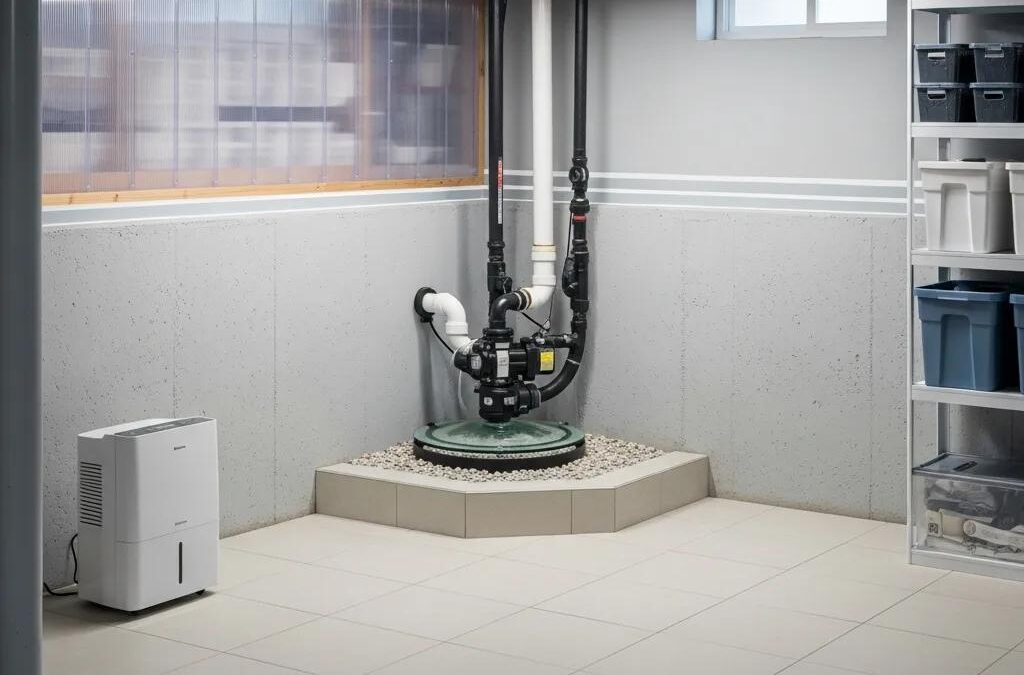
- Sump Pump Installation: A sump pump can effectively remove water that accumulates in the basement, reducing the risk of flooding.
- Foundation Sealing: Applying waterproof coatings to the foundation can help prevent water intrusion.
For homeowners looking to enhance their basement’s waterproofing, Basement Gurus LLC specializes in basement waterproofing and foundation repair services, providing tailored solutions to meet individual needs.
What Are the Common Signs of Hidden Basement Leaks?
Early detection depends on recognising common indicators. Watch for visual and sensory clues that point to hidden moisture.
- Water Stains: Discoloration on walls or ceilings often signals moisture intrusion.
- Musty Odors: A persistent damp smell can indicate mold growth due to hidden leaks.
- Visible Cracks: Cracks in walls or floors may allow water to seep in, leading to further damage.
Spotting these signs early lets you arrange inspections and repairs before damage spreads.
How Does Mold Indicate Basement Water Damage?
Mold grows where moisture persists. Its presence indicates ongoing water issues that need correction to protect health and the structure.
- Health Risks: Mold can cause respiratory issues and allergic reactions, making it essential to address moisture problems promptly.
- Need for Moisture Control: Effective moisture control measures, such as dehumidifiers and proper ventilation, are crucial in preventing mold growth.
Controlling moisture and removing mold promptly restores indoor air quality and reduces health risks.
What Structural Cracks Reveal Foundation Issues?
Cracks are diagnostic clues. Their orientation and location help identify the underlying foundation problem and the appropriate fix.
- Types of Cracks: Horizontal cracks often suggest significant pressure from soil, while vertical cracks may indicate settling.
- Implications for Structural Integrity: Ignoring these cracks can lead to severe structural damage, making it essential to consult professionals for evaluation.
Have a professional assess structural cracks early to prevent escalation and costly repairs.
What Causes Hidden Water Intrusion in Basements?
Hidden water intrusion usually results from physical faults or site conditions that let water find its way into the basement.
- Foundation Cracks: Cracks in the foundation can allow water to seep in during heavy rains.
- Hydrostatic Pressure: When water accumulates around the foundation, it can exert pressure that forces water through cracks.
- Improper Grading: If the ground slopes towards the foundation, it can lead to water pooling and eventual leaks.
Identifying the root cause lets you apply the correct waterproofing measures and avoid recurring leaks.
How Do Soil and Drainage Problems Lead to Leaks?
Soil saturation and poor drainage change the forces acting on your foundation and increase the chance of water entry.
- Saturated Soil: When the soil around the foundation becomes overly saturated, it can lead to increased hydrostatic pressure.
- Inadequate Drainage Systems: Poorly designed drainage systems can fail to redirect water away from the foundation, increasing the risk of leaks.
- High Groundwater Levels: Elevated groundwater levels can contribute to water seeping into basements, especially during heavy rainfall.
Correcting grading and improving drainage reduces pressure on the foundation and lowers leak risk.
Why Are Foundation Settlements a Risk Factor?
Settlement alters foundation geometry and creates pathways for water. It also changes load distribution, which can worsen over time.
- Cracks as Entry Points for Water: Settling foundations often lead to cracks that can allow water to enter the basement.
- Impact on Structural Integrity: Over time, foundation settlements can compromise the structural integrity of the home, leading to more severe issues.
- Need for Monitoring: Regular monitoring of foundation conditions can help identify potential problems before they escalate.
Monitor settlement signs and act quickly to stabilise the foundation and seal potential entry points.
How Are Basement Leak Inspections Conducted?
Professional inspections follow a methodical process to find both obvious and concealed sources of water.
- Visual Inspection: Inspectors begin with a visual assessment of the basement for signs of water damage.
- Moisture Meters: These devices are used to measure moisture levels in walls and floors.
- Dye Testing: This method involves introducing dye into the drainage system to identify leaks.
A systematic inspection delivers a clear diagnosis and a recommended repair plan.
What Tools Detect Moisture and Hidden Water Damage?
Specialised instruments reveal moisture that the eye can’t see. Professionals combine readings to confirm problems and map their extent.
- Moisture Meters: Essential for measuring moisture levels in various materials.
- Thermal Imaging Cameras: Useful for identifying temperature variations that indicate moisture presence.
- Inspection Cameras: Allow for a detailed view of hard-to-reach areas, helping to uncover hidden leaks.
Using multiple tools reduces uncertainty and guides targeted repairs.
What Are Effective Repair and Waterproofing Solutions?
Addressing leaks often requires a mix of drainage, interior and exterior solutions tailored to the cause.
- Sump Pumps: These devices help remove accumulated water from the basement, preventing flooding.
- Waterproof Coatings: Applying waterproof coatings to the foundation can help prevent water intrusion.
- Foundation Repairs: Addressing structural issues can prevent further leaks and protect the integrity of the home.
For homeowners seeking reliable solutions, Basement Gurus LLC offers expert services in waterproofing and foundation repair.
How Do Sump Pumps Prevent Basement Flooding?
Sump pumps actively remove water that gathers in a sump basin, preventing accumulation that leads to flooding.
- Automatic Operation: Most sump pumps operate automatically, activating when water levels rise.
- Installation Requirements: Proper installation is essential for effective operation, ensuring that the pump can handle the volume of water.
- Maintenance Practices: Regular maintenance is necessary to ensure the sump pump functions correctly and efficiently.
A correctly sized and installed sump pump, with routine maintenance, provides reliable flood protection.
What Role Does Crawlspace Encapsulation Play in Moisture Control?
Encapsulation seals the crawlspace from ground moisture and outside air, cutting off a common source of basement humidity.
- Mold Prevention: By sealing the crawlspace, homeowners can prevent mold growth and improve air quality.
- Improved Air Quality: Encapsulation helps reduce humidity levels, leading to a healthier living environment.
- Energy Efficiency: A sealed crawlspace can improve energy efficiency by reducing heating and cooling costs.
Encapsulation improves air quality, reduces humidity, and often lowers energy bills when done correctly.
How Can Homeowners Prevent Future Basement Leaks?
Prevention combines regular checks with practical upgrades to keep water away from the foundation.
- Regular Maintenance: Conducting regular inspections can help identify potential issues before they escalate.
- Proper Drainage: Ensuring that gutters and downspouts direct water away from the foundation is crucial.
- Foundation Repairs: Addressing any structural issues promptly can prevent leaks from occurring.
Routine maintenance and attention to drainage and foundation issues significantly reduce the chance of future leaks.
What Maintenance Practices Ensure Long-Term Waterproofing?
Consistent maintenance keeps systems working and prevents surprises that lead to damage.
- Regular Inspection: Conducting routine inspections can help identify potential issues early.
- Sump Pump Maintenance: Regularly checking and maintaining sump pumps ensures they function correctly.
- Drainage System Checks: Ensuring that drainage systems are clear and functioning properly is essential for preventing leaks.
Simple, scheduled checks—inspections, pump tests, and drain clearing—extend the life of your waterproofing system.
How Do Smart Moisture Sensors Aid Early Leak Detection?
Smart sensors provide fast alerts so you can address moisture before it becomes major damage.
- Early Detection: These sensors can alert homeowners to moisture issues before they escalate into significant problems.
- Integration with Home Systems: Many smart sensors can integrate with home automation systems, providing real-time alerts.
- Alerts for Homeowners: Notifications can be sent directly to homeowners’ smartphones, allowing for prompt action.
Deploying smart sensors gives you early warning and more time to stop leaks before they cause harm.
What Should You Expect from Professional Waterproofing Inspection Services?
Professional inspections deliver a clear diagnosis and a practical repair plan based on observed evidence and instrument readings.
- Initial Assessment: Inspectors will conduct a thorough assessment of the basement to identify potential issues.
- Discussion of Findings: Homeowners will receive a detailed report of the inspection findings and recommendations.
- Cost Estimate: A clear cost estimate for any necessary repairs will be provided.
Expect a documented assessment, recommended solutions, and a transparent cost estimate to guide your decision.
How Do Free Estimates and Consultations Work?
Free consultations let you understand the problem and options before committing to work or cost.
- Inspection Process: During the consultation, a professional will assess the basement and discuss potential solutions.
- Discussion of Solutions: Homeowners will receive recommendations tailored to their specific needs.
- No Cost for Consultation: These consultations are typically offered at no charge, allowing homeowners to explore their options without financial commitment.
Use a free estimate to compare solutions and choose the option that best protects your home.
What Guarantees and Warranties Provide Peace of Mind?
Reliable guarantees and warranties back the workmanship and materials, reducing long-term risk for homeowners.
- Types of Coverage: Many companies offer warranties that cover specific repairs or services.
- Duration of Warranties: Warranties can vary in length, providing different levels of protection.
- Conditions for Claims: Homeowners should understand the conditions under which claims can be made to ensure they are adequately protected.
Confirm warranty scope and duration before work begins so you know what protection you have going forward.
Frequently Asked Questions
What are the long-term effects of ignoring basement leaks?
Ignoring basement leaks leads to progressive issues: structural damage to foundations, persistent mold growth, and degraded indoor air quality. Over time the home’s structural integrity can weaken, resulting in costly repairs. Mold also increases health risks like respiratory irritation and allergies. Higher humidity can raise energy costs by making heating and cooling less efficient. Address leaks early to avoid these long-term consequences.
How often should I inspect my basement for leaks?
Inspect your basement at least twice a year, ideally in spring and fall. Also check after heavy rain or rapid snowmelt. Look for stains, musty odours, and new cracks. Regular checks help you catch issues early and schedule preventive work before damage worsens.
Can landscaping affect basement waterproofing?
Yes. Proper grading and drainage direct water away from the foundation and reduce leak risk. Keep soil sloped away from the house and avoid planting large trees or shrubs close to the foundation, as roots can cause cracks. Thoughtful landscaping supports your waterproofing strategy.
What is the role of dehumidifiers in basement moisture control?
Dehumidifiers remove excess moisture from the air, lowering humidity to the recommended 30–50% range. This prevents mold growth, reduces musty smells, and protects building materials. Empty the reservoir regularly or plumb the unit to a drain for continuous operation.
How can I tell if my basement waterproofing system is working?
Monitor for water stains, mold, or persistent dampness. Check sump pumps and drainage components for proper operation. If humidity rises or you notice new signs of moisture, schedule an inspection. Regular maintenance keeps systems reliable.
What should I do if I find a leak in my basement?
Act quickly. Stop the water source if possible, remove valuables, and dry the area with fans or dehumidifiers to limit mold. Then call a professional to diagnose the cause and recommend repairs. Prompt action minimises damage and repair costs.
Conclusion
Detecting and repairing hidden basement leaks protects your home from structural damage, health risks, and lost value. Use proven inspection methods and the right tools to diagnose problems early. Preventative measures and regular maintenance reduce the chance of recurrence. Partnering with Basement Gurus LLC provides expert guidance and tailored solutions for lasting waterproofing. Start with a professional assessment to secure a dry, healthy basement and peace of mind.