



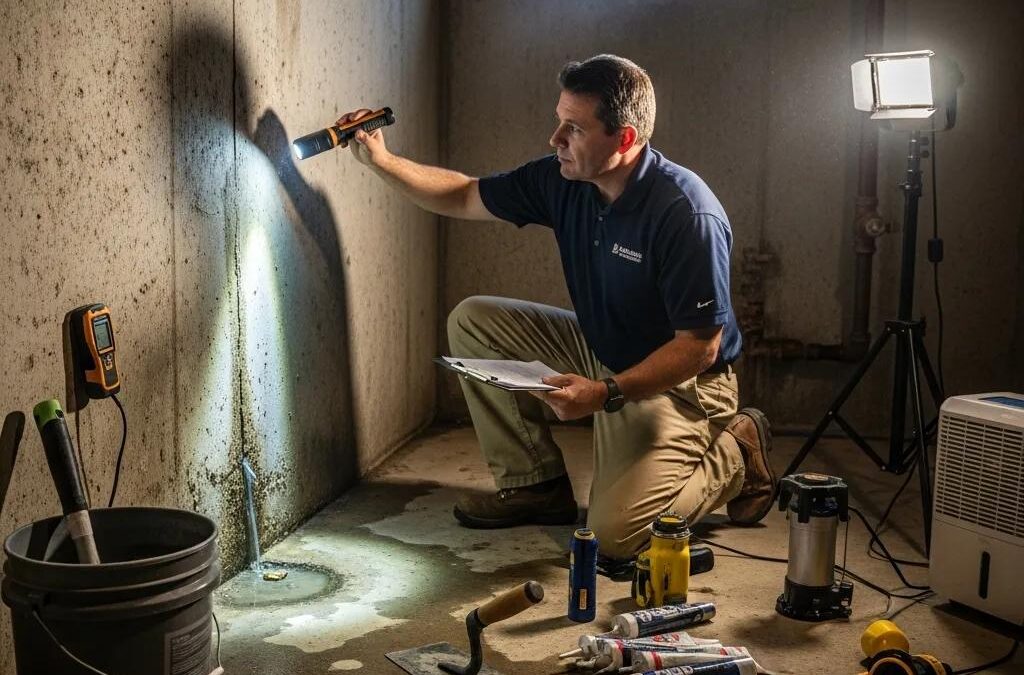
Basement Leak Repair: Essential Knowledge for Effective Waterproofing and Mold Prevention

Basement leaks can cause structural damage and health problems if left unchecked. Knowing what causes leaks and how to fix them protects your home and family. This article explains common issues, proven waterproofing methods, and when to call a professional. Read on to learn how to stop leaks and prevent mold so your basement stays dry and safe.
Basement Leak Repair: What You Need to Know
Basement leak repair starts with locating where water is entering and stopping it at the source. Common causes include foundation cracks, poor drainage, and hydrostatic pressure. Addressing these problems quickly prevents larger repairs and higher costs. Professional services offer detailed assessments and durable fixes to keep your basement dry.
Common Basement Problems:
Basements often face problems that lead to leaks and water damage. These include:
- Leaky Basements : Water intrusion can occur through cracks in the foundation or walls, leading to dampness and potential structural issues.
- Wet Basements : Excess moisture can create an environment conducive to mold growth, which poses health risks to occupants.
- Mold Growth : Mold thrives in damp conditions, making it essential to address moisture issues promptly to protect your home and health.
Importance of Professional Help:
Hiring professionals ensures the root cause is found and fixed. Experts diagnose hidden issues and deliver long-term solutions that prevent repeat leaks. Their inspections catch problems you might miss and provide comprehensive protection for your basement.
Basement Gurus LLC specializes in basement waterproofing and foundation repair services, focusing on diagnosing and resolving basement leaks and related structural issues. Its expertise helps homeowners navigate the complexities of “basement repair” , delivering lasting, effective results.
Services Offered:
Basement Gurus LLC provides a range of services to stop leaks and repair related damage, including:
- Foundation Crack Repair : This service involves sealing cracks in the foundation to prevent water intrusion and maintain structural integrity.
- Waterproofing Solutions : Various methods are employed to create a barrier against moisture, including interior and exterior waterproofing techniques.
- Mold and Mildew Removal : Professional mold remediation services ensure that any existing mold is safely removed, protecting the health of your home.
For homeowners seeking reliable solutions, Basement Gurus LLC offers free estimates to assess your specific needs.
Effective Waterproofing Techniques:

Effective waterproofing prevents leaks. Common approaches include:
- Interior Waterproofing : This method involves applying sealants and coatings to walls and floors to prevent moisture penetration.
- Exterior Waterproofing : This approach includes excavating around the foundation and applying waterproof membranes to block water from entering.
- Vapor Barriers : Installing vapor barriers can help control moisture levels in the basement, reducing the risk of leaks and mold growth.
Mold Prevention Strategies:

Preventing mold requires proactive steps, such as:
- Regular Inspections : Conducting routine checks for signs of moisture or mold can help catch problems early.
- Moisture Control : Using dehumidifiers and ensuring proper ventilation can significantly reduce humidity levels.
- Waterproofing Measures : Implementing effective waterproofing techniques can prevent water intrusion and create a dry environment.
Choosing the Right Contractor:
Choosing a dependable contractor ensures quality work. Use these guidelines:
- Verify Credentials : Ensure the contractor has the necessary licenses and insurance to perform basement repair work.
- Read Reviews : Look for customer testimonials and reviews to gauge the contractor’s reputation and reliability.
- Get Multiple Estimates : Comparing quotes from different contractors can help you find the best value for your project.
What Are the Common Causes of Basement Leaks?
The main causes of basement leaks include:
- Foundation Cracks : These can develop due to settling or shifting soil, allowing water to seep into the basement.
- Hydrostatic Pressure : When water accumulates around the foundation, it exerts pressure that can force water through cracks and openings.
- Poor Drainage : Inadequate drainage systems can lead to water pooling around the foundation, increasing the risk of leaks.
How Do Foundation Cracks Lead to Water Intrusion?
Foundation cracks allow water into the basement if not repaired. Vertical, horizontal, and stair-step cracks point to different problems. Repairs can include epoxy injections or hydraulic cement to seal cracks and stop water entry. Fixing cracks improves “waterproofing” and preserves the home’s structural integrity.
What Role Does Crawl Space Moisture Play in Basement Leaks?
Moisture in the crawl space can worsen basement leaks. Poor ventilation, leaks, or high humidity let moisture build up and migrate to the basement, causing damp conditions and potential mold. Solutions include vapor barriers, better drainage, and dehumidifiers to control humidity.
How Can You Identify Signs of Basement Water Damage Early?
Spotting water damage early reduces repair costs. Look for water stains, peeling paint, or musty odors. Check for mold growth or rising humidity. Regular inspections help you catch problems before they become costly.
What Are Visible and Hidden Symptoms of a Wet Basement?
Wet basements show visible and hidden signs. Visible signs include pooled water, damp walls, and mold. Hidden signs may include rotting wood or rusted metal that weaken the structure. Knowing both types of symptoms lets you act promptly.
How Does Mold Growth Indicate Basement Moisture Problems?
Mold is a clear sign of persistent moisture. Because mold needs damp conditions, its presence often points to water intrusion. Mold can cause respiratory and allergy problems, so address moisture quickly with proven control measures to protect your home’s health.
What Are the Most Effective Basement Leak Repair and Waterproofing Solutions?
Effective repair and “waterproofing” options include:
- Exterior Waterproofing : This method involves applying waterproof membranes to the outside of the foundation to block water entry.
- Interior Drainage Systems : Installing drainage systems within the basement can help redirect water away from the foundation.
- Sump Pump Installation : In areas prone to flooding, sump pumps can be essential for removing excess water and preventing damage.
How Do Interior and Exterior Waterproofing Methods Compare?
Interior and exterior methods serve different needs. Interior fixes are less invasive and quicker, while exterior work addresses the water at its source for a more complete solution. Choose based on the cause and severity of the issue.
When Is Sump Pump Installation Necessary for Moisture Control?
Install a sump pump when your basement is prone to flooding or groundwater is high. A pump removes excess water, reducing damage and mold risk. Assess your property’s drainage to determine if a sump pump is appropriate.
How Is Foundation Crack Repair Performed to Prevent Further Damage?
Repairing foundation cracks usually means sealing them to stop water. Epoxy injections fill gaps and form a waterproof barrier; hydraulic cement is used for larger cracks. Regular checks let you repair cracks early and avoid further damage.
What Techniques Are Used for Different Types of Foundation Cracks?
Different cracks require specific repairs. Vertical cracks often accept epoxy injections. Horizontal cracks may need underpinning or wall anchors. Identifying the crack type guides the right repair for long-term stability.
How Does Repairing Cracks Improve Basement Waterproofing?
Sealing foundation cracks removes pathways for water, improving waterproofing and protecting the home’s structure. Routine inspections and timely repairs keep waterproofing effective and reduce future risk.
What Are the Best Practices for Crawl Space Moisture Control and Encapsulation?
Key crawl space moisture controls include:
- Encapsulation Techniques : Sealing the crawl space with vapor barriers can prevent moisture from entering and reduce humidity levels.
- Dehumidification : Using dehumidifiers can help maintain optimal humidity levels, preventing mold growth and structural damage.
- Regular Inspections : Conducting routine checks for signs of moisture or damage can help catch problems early and ensure effective moisture control.
How Does Crawl Space Encapsulation Prevent Basement Leaks?
Encapsulation creates a moisture barrier that stops water from migrating into the basement. By sealing the crawl space, you lower humidity and reduce the risk of mold, protecting both the basement and the home’s indoor environment.
A study further supports the effectiveness of sealed crawl spaces in maintaining a dry environment and preventing moisture-related issues.
Sealed Crawl Spaces: Effective Moisture & Mold Prevention
This study compared closed crawl spaces — with sealed foundation wall vents, a sealed polyethylene floor liner, and various insulation and drying strategies — to traditional wall-vented crawl spaces that used perimeter wall vents and polyethylene covering 100% of the ground surface. In the humid conditions of the southeastern United States, a properly sealed crawl space proved to be a robust construction measure that produced a substantially drier crawl space.
A Field Study Comparison of the Energy and Moisture Performance Characteristics of Ventilated Versus Sealed Crawl Spaces in the South, 2005
What Maintenance Is Required to Keep Crawl Spaces Dry?
Keeping crawl spaces dry requires routine inspections and maintenance tasks, including:
- Regular Inspections : Checking for signs of moisture, mold, or structural damage can help catch problems early.
- Dehumidifier Maintenance : Ensuring that dehumidifiers are functioning properly can help control humidity levels effectively.
- Drainage System Checks : Regularly inspecting drainage systems can prevent water accumulation and protect against leaks.
How Can Mold Removal and Prevention Protect Your Home’s Health?
Removing and preventing mold preserves a healthy home. Mold can cause respiratory and allergic problems. By fixing moisture sources and using proven prevention strategies, homeowners protect occupants and maintain safer indoor air.
What Health Risks Are Associated with Basement Mold?
Basement mold carries several health risks, including:
- Respiratory Issues : Exposure to mold spores can lead to respiratory problems, particularly in individuals with asthma or allergies.
- Allergic Reactions : Mold can trigger allergic reactions, causing symptoms such as sneezing, coughing, and skin irritation.
- Long-term Health Effects : Prolonged exposure to mold can lead to more severe health issues, making it essential to address mold growth promptly.
Which Mold Remediation Methods Are Most Effective?
Effective remediation steps include:
- Inspection and Assessment : Identifying the extent of mold growth and the underlying moisture issues is crucial for effective remediation.
- Physical Removal : Removing affected materials and cleaning surfaces with mold-killing solutions can help eliminate mold.
- Moisture Control : Implementing moisture control measures, such as dehumidification and proper ventilation, can prevent future mold growth.
Frequently Asked Questions
What are the signs that indicate I need basement leak repair?
Look for water stains, musty odors, or visible mold — these are signs you may need leak repair. Peeling paint, persistent dampness, or condensation on surfaces also indicate moisture. Regular checks let you address issues before they get worse.
How can I prevent basement leaks during heavy rainfall?
To reduce leaks during heavy rain, keep gutters and downspouts clear and direct water away from the foundation. Consider a sump pump to manage excess water and exterior waterproofing to form a barrier. Proper grading around the home also helps divert water.
What should I do if I find mold in my basement?
If you find mold, act quickly. Identify and stop the moisture source, remove affected materials, and clean surfaces with mold-killing solutions. For large or persistent infestations, hire a professional remediation service to ensure thorough removal and prevention.
How often should I inspect my basement for water damage?
Inspect your basement at least twice a year, ideally in spring and fall. If you live in an area prone to heavy rain or flooding, check more often. During inspections, look for moisture, mold, and structural issues so you can take corrective action early.
What are the benefits of using a dehumidifier in my basement?
A dehumidifier lowers humidity to prevent mold and musty odors. It protects belongings and structural elements from moisture damage, improves air quality, and makes the basement a more comfortable, usable space.
Can I perform basement waterproofing myself, or should I hire a professional?
Some basic tasks—like applying sealants or installing a dehumidifier—can be done by homeowners. But complex issues often require professional expertise. Pros diagnose root causes and deliver long-term, comprehensive solutions to prevent future water intrusion.
Conclusion
Fixing basement leaks protects your home’s safety and value by preventing structural damage and mold. By understanding causes and using proven waterproofing, homeowners can safeguard their property. For tailored solutions, contact professionals who specialize in basement repair and waterproofing. Explore our services to keep your basement dry and secure.