



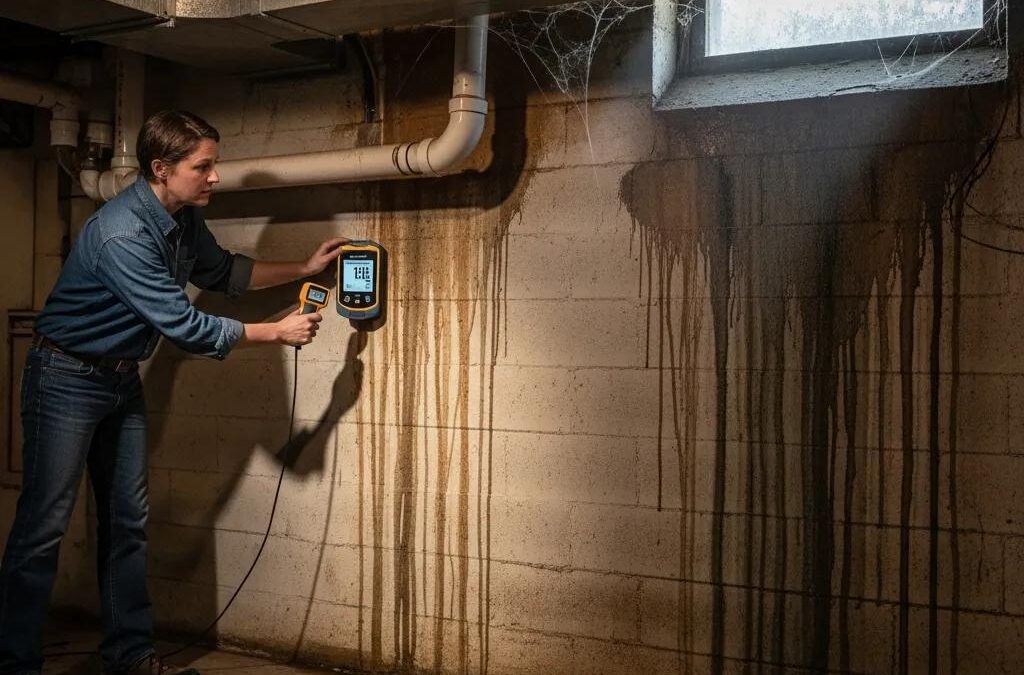
How to Identify Basement Leaks Before They Escalate: Expert Basement Leak Detection and Prevention

Basement leaks can cause structural damage and expensive repairs if left unchecked. Knowing how to spot leaks early protects your home’s value and indoor air quality. This article explains the common signs, practical detection methods, and prevention steps you can take. Spotting issues early saves time, money, and stress. We also outline how professionals like Basement Gurus LLC deliver comprehensive waterproofing and foundation repairs.
Common Signs of Water Damage

Spotting visible water damage early gives you the best chance to intervene. Be alert for these common indicators:
- Water Stains on Walls and Floors: These stains often appear as dark patches and can indicate moisture intrusion.
- Musty Odors Indicating Mold: A persistent musty smell can suggest mold growth, which thrives in damp environments.
- Visible Mold or Mildew Growth: The presence of mold or mildew is a clear sign of excess moisture and should be addressed immediately.
Noticing these signs early helps you avoid larger problems and higher repair costs.
Effective Detection Methods
Effective leak detection combines careful visual checks with the right tools. Use the following methods to locate issues:
- Visual Inspections: Regularly check for cracks in walls, floors, and around windows and doors.
- Use of Moisture Meters: These devices can help measure the moisture levels in walls and floors, indicating potential leaks.
- Professional Assessments: Hiring a professional can provide a thorough evaluation and identify hidden leaks that may not be visible.
Using these approaches helps you find leaks sooner and limit damage.
Proactive Prevention Strategies
Stopping leaks before they start is the most cost-effective approach. Key prevention strategies include:
- Proper Drainage Systems: Ensure that gutters and downspouts direct water away from the foundation.
- Sump Pump Installation: A sump pump can help remove excess water and prevent flooding in the basement.
- Regular Maintenance Checks: Conduct routine inspections of the basement and foundation to identify potential issues early.
Taking these proactive steps reduces the likelihood of leaks and costly repairs.
What Are the Common Signs of Basement Water Damage to Watch For?
Keep an eye on key signs to maintain a dry, safe basement. Watch for these indicators:
- Water Stains: Look for discoloration on walls and floors, which can indicate moisture presence.
- Cracks in Walls: Small cracks can expand over time, allowing water to seep in.
- Damp Areas: Puddles or consistently damp spots on the floor are clear indicators of a leak.
How Do Water Stains and Damp Spots Indicate Basement Leaks?
Water stains and damp spots are often the first visible warnings. Their colour can range from yellow to brown, reflecting different moisture levels. When you see these signs, act quickly to prevent mold and structural damage.
What Role Does Mold Growth Play in Detecting Moisture Problems?
Mold indicates ongoing moisture and can pose health risks. If you find mold, identify and stop the moisture source to prevent further growth and protect occupants.
Research highlights the critical need for early moisture detection to avoid structural damage and health problems.
Detecting Building Moisture: Preventing Damage & Costly Repairs
Excess moisture in building structures can damage the structure and create conditions that support microbial growth. That moisture may affect occupants’ health and lead to costly repairs if not detected in time. Currently, available methods for verifying suspected moisture problems and monitoring the drying of concrete structures tend to be work‑intensive and destructive.
Methods and instrumentation for measuring moisture in building structures, 2005
What Are the Primary Causes of Basement Leaks and Moisture Intrusion?

Knowing the main causes helps you target prevention. The most common causes are:
- Foundation Cracks: These can allow water to seep into the basement, especially during heavy rainfall.
- Hydrostatic Pressure: This pressure from groundwater can push water through foundation walls.
- Improper Drainage: Poorly designed drainage systems can lead to water pooling around the foundation.
Addressing these root causes cuts your risk of future leaks.
How Do Foundation Cracks Contribute to Water Intrusion?
Foundation cracks provide a direct path for water. They form from settling, temperature changes, or poor construction. Knowing the crack type and cause is essential to choose the right repair.
Why Is Poor Drainage a Leading Factor in Basement Flooding?
Poor drainage is a common trigger for basement flooding. Typical contributors include:
- Clogged Gutters: When gutters are blocked, water can overflow and pool around the foundation.
- Improper Grading: The ground should slope away from the foundation to direct water away.
- Faulty Drainage Systems: Ineffective drainage systems can lead to water accumulation around the basement.
Fixing these drainage problems is essential to prevent water from collecting at the foundation.
How Can Homeowners Perform Step-by-Step Basement Leak Detection?
You can follow a systematic routine to detect leaks. Key steps include:
- Conducting Visual Inspections: Regularly check for visible signs of water damage.
- Using Tools for Detection: Employ moisture meters and thermal imaging to identify hidden leaks.
- Scheduling Regular Maintenance Checks: Routine inspections can help catch potential issues early.
Following these steps helps you monitor your basement and act before issues worsen.
What Are Effective Methods for Inspecting Foundation Cracks?
Inspecting cracks requires careful attention to size, location, and signs of active water intrusion to assess severity and repair needs.
- Look for Size and Location: Note the size and location of cracks, as larger cracks may indicate more serious issues.
- Check for Water Intrusion: Monitor for signs of water seeping through cracks during heavy rain.
- Assess Foundation Condition: Regularly evaluate the overall condition of the foundation to identify potential problems.
These checks let you address foundation problems early, before they escalate.
How to Use Moisture Detection Tools to Identify Hidden Leaks?
Use moisture detection tools to find leaks that aren’t visible. Common tools include:
- Moisture Meters: These devices measure moisture levels in walls and floors, helping to pinpoint problem areas.
- Thermal Imaging Cameras: These cameras can detect temperature differences that indicate moisture presence.
- Professional Assessment Tools: Hiring professionals can provide access to advanced tools for thorough inspections.
These tools make hidden moisture visible so you can target repairs precisely.
When Should You Call Professionals for Basement Leak Detection and Repair?
Call professionals when signs point to severe or complex leaks. Consider expert help if you see:
- Signs of Severe Leaks Are Present: If there are significant water stains or mold growth, immediate action is necessary.
- Professional Assessment Is Needed: Complex issues may require expert evaluation and repair.
- Long-Term Solutions Are Desired: Professionals can provide comprehensive solutions to prevent future leaks.
A qualified team ensures proper repairs and long-term protection against recurring issues.
What Are the Benefits of Hiring Basement Gurus LLC for Waterproofing?
Hiring Basement Gurus LLC delivers clear advantages for homeowners:
- Expertise and Experience: The team has extensive knowledge in basement waterproofing and foundation repair.
- Comprehensive Services: They provide a range of services, including leak detection and waterproofing solutions.
- Customer Satisfaction: Their focus on personalized service ensures that customer needs are met.
Choosing Basement Gurus LLC helps ensure your basement is protected from water intrusion with proven methods.
How Do Professional Services Prevent Mold and Structural Damage?
Professional services reduce mold and structural risk by offering:
- Thorough Assessments: Experts can identify potential issues that homeowners may overlook.
- Long-Term Solutions: Professionals provide effective solutions that address the root causes of moisture problems.
- Mold Prevention Strategies: They implement strategies to mitigate mold growth and protect the home.
Using professional services lowers the chance of recurring moisture problems and costly repairs.
What Waterproofing Solutions and Maintenance Practices Prevent Basement Flooding?
Effective waterproofing combined with regular maintenance is essential to prevent flooding. Key methods include:
- Interior and Exterior Waterproofing: These methods create barriers against water intrusion.
- Regular Maintenance Practices: Routine checks of gutters, downspouts, and drainage systems can prevent water accumulation.
- Effectiveness of Solutions: Understanding the effectiveness of different waterproofing methods can help homeowners choose the best options.
Adopting these practices keeps your basement dry and protects your home’s structure and value.
How Do Sump Pumps and Drainage Systems Protect Your Basement?
Sump pumps and drainage systems protect basements by:
- Removing Excess Water: Sump pumps actively remove water that accumulates in the basement.
- Directing Water Away: Effective drainage systems channel water away from the foundation, reducing the risk of flooding.
- Maintaining Dry Conditions: Together, these systems help maintain a dry environment, preventing mold growth and structural damage.
Installing reliable sump pumps and proper drainage is a practical step for long-term basement protection.
Studies have examined the role of sump pumps in mitigating basement water issues and reducing infiltration.
Sump Pump Effectiveness for Residential Basement Leak Prevention
The City of Columbus, Ohio adopted a source-control approach to address wet-weather sanitary sewer overflows and meet Ohio EPA consent decree requirements. The approach included lining private sanitary laterals, redirecting roof downspouts to streets, and installing voluntary sump pumps in homes. Past monitoring showed lateral lining reduced private source infiltration/inflow (I/I), but there has been insufficient monitoring of sump pump effectiveness.
Monitoring Effectiveness of Sump Pump on Reducing Private Infiltration/Inflow, 2018
What Regular Maintenance Ensures Long-Term Basement Dryness?
Regular maintenance is the foundation of long-term dryness. Focus on these tasks:
- Sump Pump Checks: Regularly test sump pumps to ensure they are functioning correctly.
- Foundation Inspections: Conduct routine inspections to identify cracks or signs of wear.
- Gutter Maintenance: Keep gutters clean and free of debris to ensure proper water flow.
These routine checks reduce the risk of leaks and help keep your basement dry over time.
Frequently Asked Questions
What are the long-term effects of ignoring basement leaks?
Ignoring leaks can produce serious long-term harm: weakened foundation, increased mold growth, and degraded indoor air quality. Over time these issues raise repair costs and can affect occupants’ health, especially respiratory conditions. Address leaks quickly to protect your home’s structure and your family’s wellbeing.
How often should I inspect my basement for leaks?
Inspect your basement at least twice a year, ideally in spring and fall, and after heavy rain or snowmelt. During checks, look for stains, mold, damp spots, and verify that gutters and drainage are functioning correctly.
Can I prevent basement leaks with landscaping changes?
Yes. Proper grading that slopes away from the foundation directs water away. Planting moisture‑absorbing vegetation or creating rain gardens can help, and keeping gutters and downspouts clear and routed away from the house is essential.
What should I do if I find mold in my basement?
If you find mold, first stop the moisture source. Clean small areas with appropriate cleaners or detergent and water. For extensive infestations, hire a professional remediation service to ensure thorough removal and prevent recurrence. Always use protective gear when handling mold.
Are there DIY methods for detecting basement leaks?
Yes. Perform visual inspections for stains, cracks, and damp spots. Use a moisture meter to measure levels in walls and floors. You can also run a simple water test—seal the basement and watch for condensation or pooling. For a complete assessment, consider a professional inspection.
What are the signs that I need to replace my sump pump?
Replace a sump pump if it cycles unusually often, makes strange noises, or fails to run during heavy rain. If water pools despite the pump, it may be failing. Regular maintenance helps you spot these warning signs early.
How can I choose the right waterproofing solution for my basement?
Choose a solution based on moisture severity, foundation type, and budget. Common options include interior and exterior waterproofing, sump pumps, and drainage systems. Consult a waterproofing professional to assess your situation and recommend the most effective, long-term approach.
Conclusion
Finding and fixing basement leaks early saves money and prevents structural damage. Understand the signs, use proven detection methods, and apply prevention measures to keep your basement dry and safe. For complete solutions, consult professionals like Basement Gurus LLC to protect your home. Take the first step toward safeguarding your basement by exploring our expert services today.