



Effective Basement Leak Repair Solutions: Comprehensive Waterproofing and Foundation Protection

Basement leaks cause structural damage and promote mold growth, so prompt, effective repair is essential. This guide outlines practical strategies for leak repair, emphasising advanced waterproofing and foundation protection. You’ll learn why thorough assessments matter, which waterproofing technologies work best, and how to keep your basement dry. By understanding common causes and proven prevention steps, homeowners can reduce water damage risk. Topics covered include interior and exterior waterproofing, sump pump installation, and crawlspace encapsulation benefits.
Effective solutions for basement leak repairs focus on advanced waterproofing techniques and foundation protection methods. Here are key strategies:

Effective basement leak repairs start with a detailed assessment to find the root causes of moisture intrusion. That means inspecting the foundation, walls, and drainage so solutions match the problem. Understanding your basement’s specific conditions lets you apply targeted measures to improve waterproofing and protect the foundation.
Thorough Assessment
A detailed assessment identifies where water is entering and why. Inspectors look for foundation cracks, signs of moisture, and failing drainage. Pinpointing the issue lets you choose the right repairs. This proactive work fixes current damage and lowers the chance of future leaks, securing the basement long term.
Advanced Waterproofing Techniques
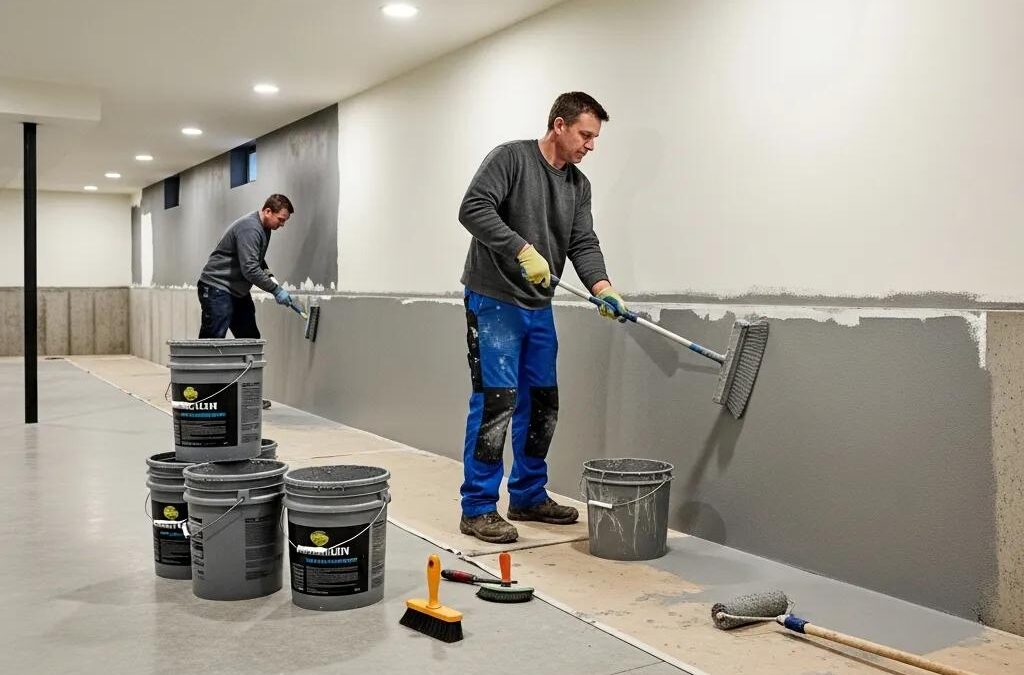
Advanced waterproofing combines interior and exterior methods to form a reliable moisture barrier. Interior measures often include drainage systems and protective coatings. Exterior work can involve excavation and waterproof membranes. Used together, these techniques reduce water intrusion and strengthen foundation protection.
| Waterproofing Method | Description | Benefits |
|---|---|---|
| Interior Waterproofing | Involves applying coatings and installing drainage systems inside the basement. | Prevents water from entering the basement and manages moisture levels. |
| Exterior Waterproofing | Involves excavating around the foundation and applying waterproof membranes. | Provides a robust barrier against water intrusion from outside. |
| Sump Pump Installation | A system that removes water from the basement to prevent flooding. | Ensures that any water that enters the basement is quickly removed. |
Foundation Protection
Protecting the foundation preserves your home’s structural integrity. Repairs focus on sealing cracks and improving drainage to move water away from the foundation. Common solutions include crack fillers, sealants, and French drains to control water flow. Prioritising foundation protection prevents costly structural problems and keeps living spaces safe.
Sump Pump Installation

Sump pumps remove water that collects in the basement, cutting flood and damage risk. They operate automatically to keep the space dry. Regular checks—testing functionality and cleaning the sump pit—keep pumps reliable. Consider a battery backup so the pump runs during power outages and maintains protection when you need it most.
High-Quality Materials
Durable materials matter for lasting repairs. Quality waterproof coatings and dependable sump pumps improve performance and reduce repeat work. Choose products designed for moisture control so repairs hold up over time. Investing in quality lowers long-term costs and boosts reliability.
Customized Solutions
No two basements are the same. Customised plans based on a full assessment deliver the most effective repairs. Tailored waterproofing and foundation work target the exact issues in your home, so you get solutions that fit your situation and provide maximum protection.
Professional Expertise
Professionals bring the experience and tools needed for comprehensive repairs. Trained contractors perform accurate assessments and install systems that DIY approaches often miss. Many professionals provide free estimates so you understand costs before deciding. Hiring experts helps ensure work is completed correctly and meets local requirements.
Regular Maintenance
Routine maintenance keeps waterproofing systems effective. Schedule inspections to spot wear, clean drainage, and test sump pumps. Regular care prevents small issues from becoming major problems and helps keep your basement dry and protected.
What Are the Common Causes of Basement Leaks?
Knowing common causes helps prevent leaks. Frequent culprits include foundation cracks, hydrostatic pressure, and poor grading or blocked drainage. Addressing these factors reduces the chance of water entering the basement.
- Foundation Cracks: These can allow water to seep into the basement, especially during heavy rainfall.
- Hydrostatic Pressure: This occurs when water builds up around the foundation, exerting pressure that can lead to leaks.
- Improper Grading or Drainage: If the ground around the home is not graded correctly, water can flow toward the foundation instead of away from it.
How Do Foundation Cracks Lead to Water Intrusion?
Cracks in the foundation form direct paths for moisture to enter. When water collects around the foundation, hydrostatic pressure can push water through those openings. This leads to water damage, mold, and structural issues if not repaired. Fixing cracks and improving drainage are key steps to stop water intrusion.
What Role Does Poor Drainage Play in Basement Moisture?
Poor drainage lets water pool near the foundation and raises hydrostatic pressure. Blocked drains or incorrect grading cause water to move toward the house instead of away from it. Keeping drainage clear and the ground sloped away from the home are essential to prevent basement moisture.
Which Interior Waterproofing Methods Secure a Dry Basement?
Several interior methods help keep basements dry. These include:
- Basement Drain Systems: These systems collect and redirect water away from the foundation.
- Waterproofing Coatings: Applied to walls and floors, these coatings create a barrier against moisture.
- Dehumidifiers: These devices help control humidity levels, reducing the risk of mold growth.
How Does Sump Pump Installation Prevent Water Accumulation?
A sump pump actively removes water from the basement, maintaining a dry environment. It’s especially useful during heavy rain when water levels rise. Regular maintenance keeps the pump ready to work and gives you confidence that the basement will stay protected.
What Are the Benefits of Interior Drainage Systems?
Interior drainage systems provide clear advantages:
- Effective Water Management: These systems efficiently collect and redirect water away from the foundation.
- Mold Prevention: By keeping the basement dry, interior drainage systems help prevent mold growth and related health issues.
- Increased Property Value: A dry basement enhances the overall value of a home, making it more attractive to potential buyers.
How Do Exterior Waterproofing Techniques Protect Your Home’s Foundation?
Exterior methods protect the foundation by blocking water before it reaches the structure. Techniques include foundation sealing, French drains to move water away, and excavation with waterproof membranes to create a continuous barrier against moisture.
What Materials Are Used for Effective Exterior Waterproofing?
Exterior waterproofing uses proven materials such as waterproof coatings for the foundation surface, hydraulic cement to seal cracks and gaps, and drainage tiles to control water flow around the foundation.
How Does Exterior Drainage Improve Basement Leak Prevention?
Exterior drainage redirects water away from the foundation, lowering hydrostatic pressure and reducing the chance of leaks. Well-maintained drains and proper grading prevent water from pooling near the house and protect the basement from damage.
Why Is Crawlspace Encapsulation Essential for Moisture Control?
Crawlspace encapsulation controls moisture by sealing the area with a vapor barrier. This reduces humidity, limits mold growth, and protects structural elements. Encapsulation can also improve indoor air quality by reducing allergens that enter living spaces.
How Does Crawlspace Encapsulation Prevent Mold and Structural Damage?
Sealing the crawlspace cuts off the moisture that fuels mold and rot. Lower humidity levels make conditions unsuitable for mold growth and help preserve the foundation and structural components, supporting a healthier home environment.
What Are the Steps Involved in Crawlspace Moisture Sealing?
Crawlspace moisture sealing typically follows these steps:
- Inspection: Assessing the crawlspace for existing moisture issues and damage.
- Cleaning: Removing debris and contaminants from the crawlspace.
- Vapor Barrier Installation: Sealing the ground and walls with a vapor barrier to prevent moisture intrusion.
- Sealing Vents: Closing off foundation vents to reduce humidity levels.
What Are the Costs and Financing Options for Basement Leak Repairs?
Repair costs vary depending on issue severity and chosen methods. Homeowners should weigh factors such as the extent of damage, whether interior or exterior methods are required, and the cost of professional inspections and repairs.
How Do Repair Costs Vary by Method and Severity?
Costs range widely with the scope of work. Minor crack repairs are less expensive than full waterproofing projects. Get multiple estimates and consider the long-term value of quality repairs when comparing prices.
What Financing Solutions Are Available for Homeowners?
Homeowners can consider options such as home improvement loans, local grants or assistance programs, and contractor payment plans. These choices make it easier to manage repair costs without sacrificing necessary work.
How Can Homeowners Ensure Long-Term Success and Satisfaction?
For lasting results, schedule regular inspections, maintain waterproofing systems, and hire qualified professionals for major repairs. Routine care and expert installation help ensure repairs remain effective and homeowners stay satisfied.
What Guarantees and Warranties Support Basement Waterproofing Services?
Many services include guarantees and warranties. These can vary in duration from a few years to lifetime coverage. Homeowners should understand any conditions that apply and review satisfaction guarantees offered by contractors.
How Do Customer Testimonials Reflect Service Reliability?
Testimonials reveal how well a service performs. Positive reviews often cite quality workmanship, professional conduct, and responsive customer support—factors that indicate reliable waterproofing services.
Frequently Asked Questions
What are the signs that my basement may be leaking?
Signs include water stains on walls or floors, a damp or musty smell, visible mold, and peeling paint or wallpaper. You might notice higher indoor humidity or condensation on windows. Cracks in the foundation or walls can also signal water intrusion. Regular inspections help spot these signs early so you can act before damage worsens.
How often should I perform maintenance on my basement waterproofing systems?
Perform maintenance at least once a year. Check sump pumps, clean drainage systems, and inspect for wear or damage. After heavy rain or flooding, carry out a more thorough check. Regular maintenance keeps systems working and prevents costly repairs.
Can I perform basement leak repairs myself, or should I hire a professional?
Minor tasks like sealing small cracks can be DIY, but larger or hidden issues require professional expertise. Contractors offer thorough assessments, correct installation, and compliance with building codes. Hiring a professional can prevent recurring problems and may save money over time.
What should I look for when choosing a basement waterproofing contractor?
Choose contractors with solid experience, strong reviews, and clear estimates. Verify licensing and insurance. Ask about warranties and satisfaction guarantees to understand their commitment to quality and long-term support.
How can I prevent future basement leaks after repairs?
Prevent leaks by keeping the ground graded away from your home, maintaining gutters and downspouts, and installing or servicing drainage systems like French drains. Use dehumidifiers to control basement humidity and reduce mold risk.
What are the long-term benefits of investing in quality waterproofing materials?
High-quality materials deliver durable repairs and better moisture resistance, reducing repeat fixes. They protect structural integrity, can increase property value, and improve indoor air quality by keeping the basement dry and comfortable.
Conclusion
Addressing basement leaks with proven waterproofing and foundation protection is essential to safeguard your home. Regular maintenance and professional installation extend the life of those solutions. Take the first step towards a secure basement by exploring our range of waterproofing services today.